A Legacy of Dignity,
A Future of Independence
Wilson Adaptive Technologies was born from a simple, powerful belief: every person deserves safe, dignified access to personal hygiene.
The Problem We Saw
For millions of people living with disabilities, aging-related challenges, or mobility limitations, something as basic as taking a shower can be dangerous, exhausting, or simply impossible.
Standard bathrooms are designed for able-bodied users. Grab bars are afterthoughts. Tub walls create barriers. Hot water controls are unreachable. Wheelchair users have no clear path. Caregivers have no room to assist safely.
The result is a widespread, largely invisible crisis: people go without adequate hygiene because their environments fail them. This affects health outcomes, mental wellbeing, social participation, and basic human dignity.
WAT exists because this is unacceptable.
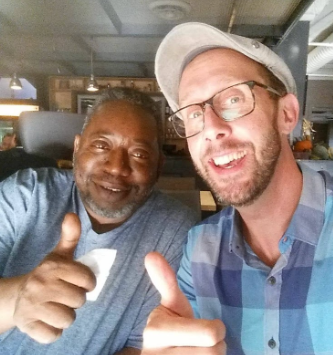
Ron Wilson's Vision
Ron Wilson didn't start Wilson Adaptive Technologies because he saw a market opportunity. He started it because he saw people being failed by the systems meant to help them.
As someone who understood the daily realities of living with a disability, Ron recognized that "accessible" often meant "minimally compliant" — not truly usable. Standard ADA-compliant bathrooms check regulatory boxes, but they rarely address the full range of needs that real users face.
Ron's founding insight was both simple and radical: design a shower system from the user's perspective outward. Start with the person — their body, their abilities, their caregiver, their space — and engineer a solution that actually works.
That insight became the WAT Shower: a portable, modular, adaptive shower system built for the people who need it most.
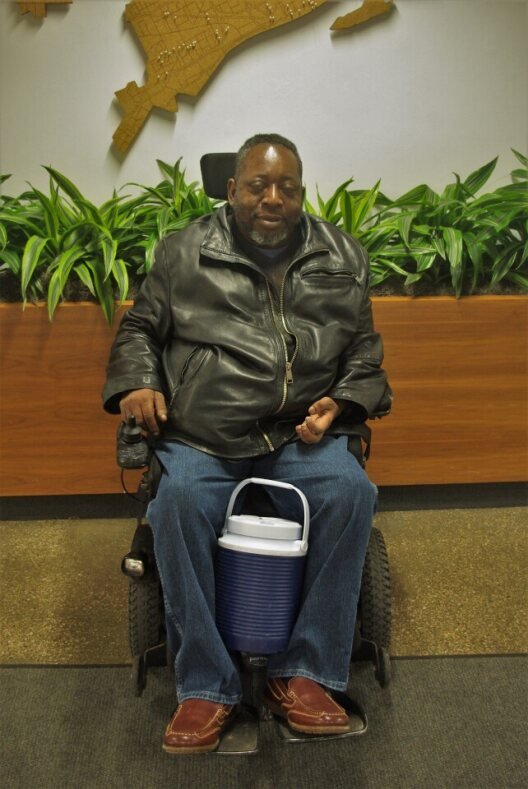
"We don't design for compliance. We design for people."
— Ron Wilson, Founder
Wendy Wilson: Continuing the Mission
After Ron's passing, Wendy Wilson took the helm — carrying forward not just a product, but a purpose.
Under Wendy's leadership, WAT has deepened its commitment to inclusive design, expanded its academic and community partnerships, and continued to develop next-generation adaptive hygiene solutions. Wendy brings a rare combination of personal understanding, organizational vision, and relentless advocacy for the communities WAT serves.
She leads with a clear principle: every design decision must answer to the people who will use it. That means listening to disabled users, working alongside caregivers, and collaborating with researchers and clinicians who understand the real-world challenges.

Wendy Wilson
Chief Executive Officer
Leadership Team
The people driving WAT's mission forward — bringing together lived experience, engineering expertise, and business leadership.

Noah Abe Sobers
Creator & Lead Architect
Developing the core digital infrastructure and accessibility systems behind the WAT platform.
View Profile
Wendy Wilson
Chief Executive Officer
Carrying forward Ron Wilson's vision with unwavering commitment to inclusive design and community advocacy.
View Profile
Dr. Jared Grogan
Managing Director
Leading strategic operations and partnerships to scale WAT's impact across communities nationwide.
View Profile
Ron Wilson
Founder
The visionary who started it all — designing from lived experience to create real solutions for real people.
View ProfileDesign Philosophy
WAT's work is guided by principles that go beyond engineering specifications.
Participatory Design
We design with users, not just for them. Every feature is informed by direct input from disabled people, caregivers, and clinicians.
Beyond Compliance
ADA compliance is our starting point, not our ceiling. We aim for genuine usability — the kind that makes a daily difference.
Practical Innovation
Our innovations are purposeful. Every modular panel, safety rail, and pump system exists because a real user needed it.
Detroit Roots
Rooted in Detroit's maker culture and resilience, WAT carries the spirit of a city that builds what it needs.
Fair Market Value
Accessibility shouldn't be a luxury. WAT is committed to pricing that reflects fair value and economic reality.
Global Relevance
While Detroit-born, WAT addresses a universal need. Accessible hygiene is a global challenge — and our solutions are designed to scale.
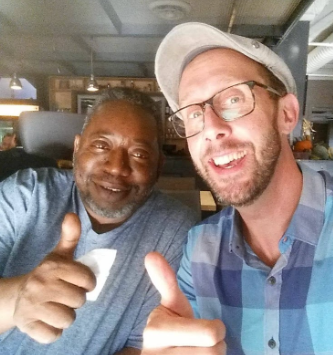
Partners & Collaborators
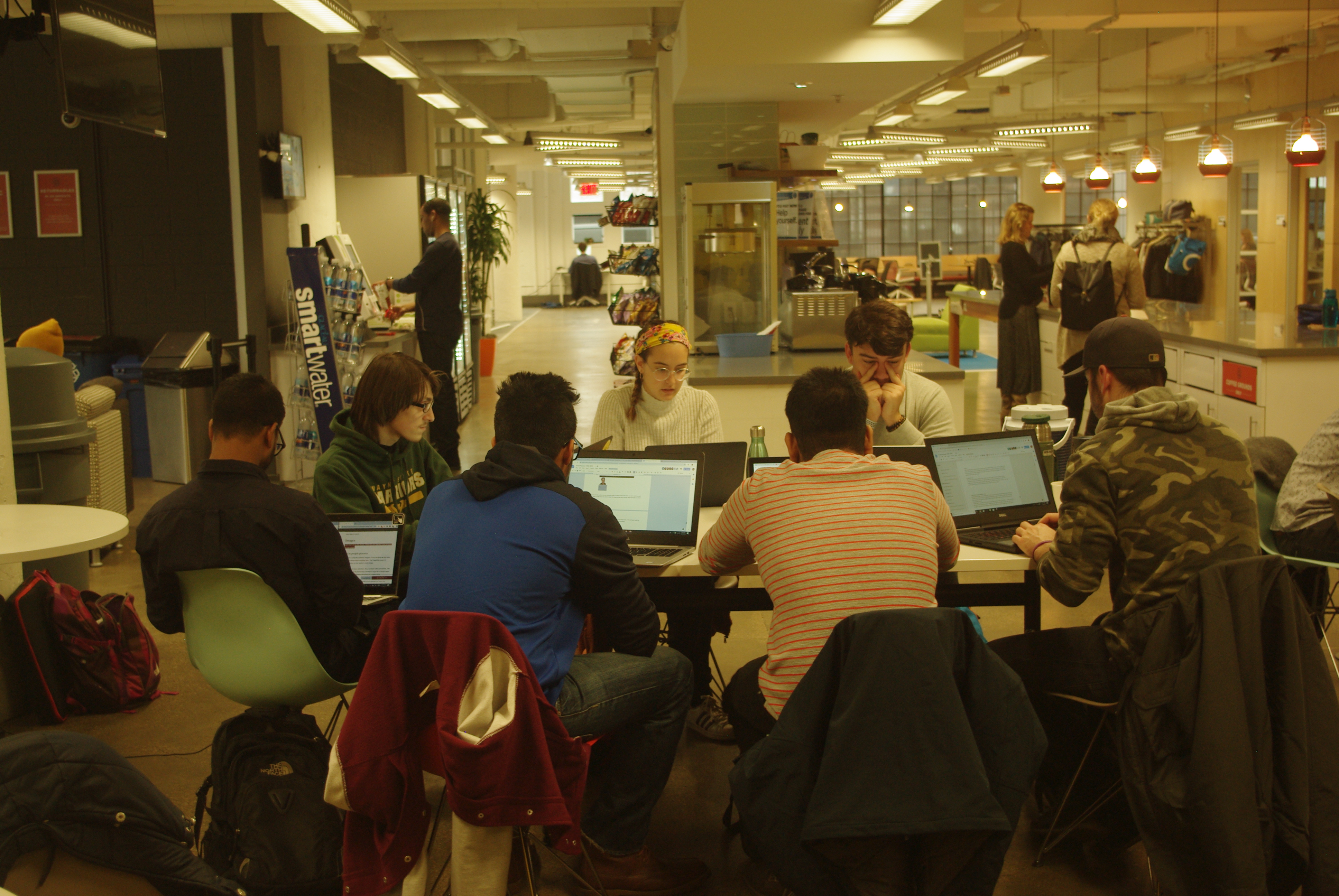
WAT's work is inherently interdisciplinary. We collaborate with academic institutions, community organizations, and industry partners who share our commitment.
Wayne State University
Ongoing collaboration across engineering, occupational therapy, technical writing, and public health research — bringing academic rigor to adaptive design.

TechTown Detroit
Detroit's innovation hub, supporting WAT's development and connecting our work to the broader adaptive technology ecosystem.
Collaboration in Action
Ready to Learn More?
Explore our products, read our research, or find out how you can get involved with WAT's mission.